Engineering & Ops Blog

Insights, architecture guides, and tutorials on zero-downtime releases, canary deployments, and container telemetry.

Your Deployment Secrets Live in More Places Than You'd Like to Admit

Your Deployment Secrets Live in More Places Than You'd Like to Admit

A little in the CI config. A little in that one script on the jump box. A little in an env file someone scp'd over in 2022. Nobody set out to build it this way — but credential sprawl becomes the quiet normal, one reasonable decision at a time. Here's why the fix is a narrower deployment path, not a new policy doc.

"Can Someone From Ops Approve This?" — Said Every Engineer, Every Day, Forever

"Can Someone From Ops Approve This?" — Said Every Engineer, Every Day, Forever

The code's been ready since 10am. Tests pass. The only thing standing between you and production is a person in a different timezone who hasn't seen your Slack message yet. This isn't a people problem — it's what happens when every deploy routes through the same human checkpoint, no matter the risk.

The Deploy Script Nobody's Brave Enough to Touch (And How to Kill It)

The Deploy Script Nobody's Brave Enough to Touch (And How to Kill It)

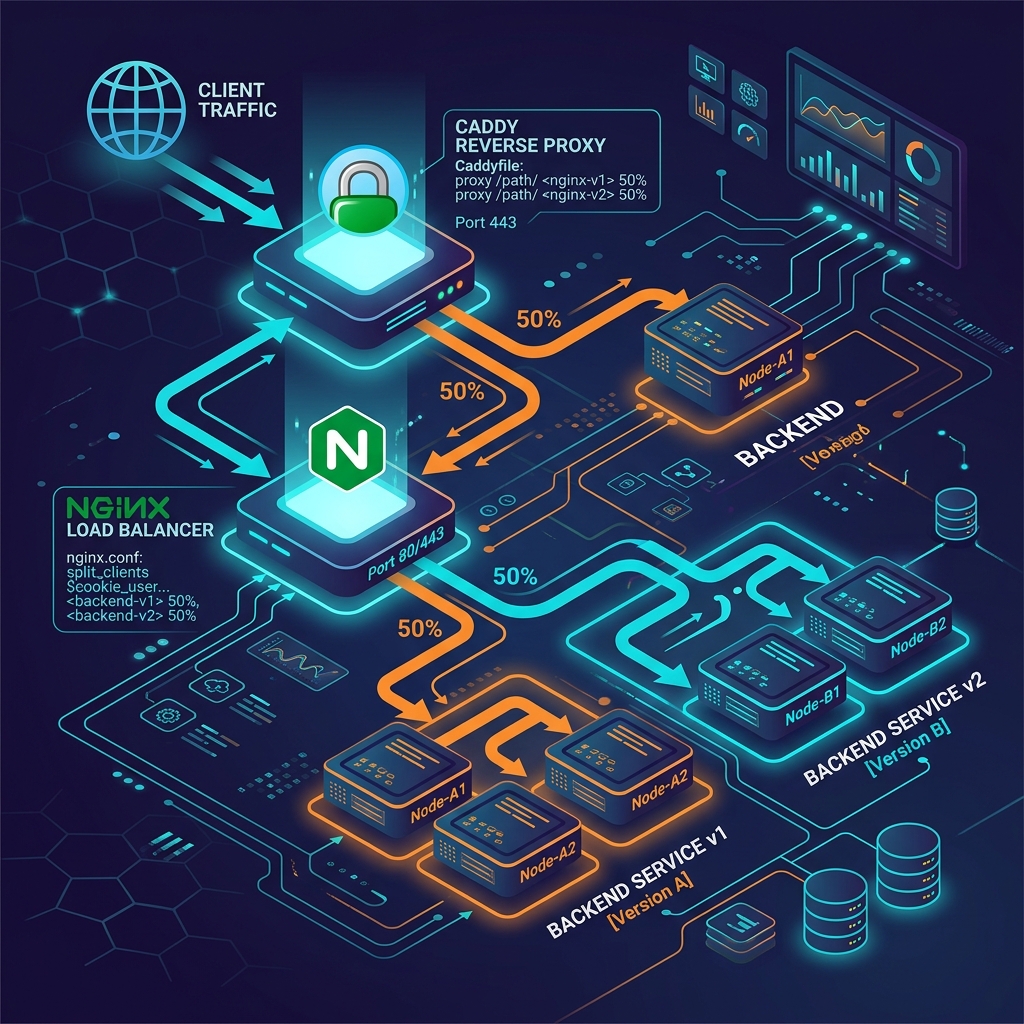
It started as a 20-line bash script. Now it's 600 lines with 'DO NOT REMOVE THIS SLEEP' and the author left in 2024. Here is how to replace legacy bash deployment monoliths with zero-downtime Blue/Green and automatic reverse-proxy auto-provisioning.

Your Deployment Process Has a Bus Factor of One (And Everyone Knows It)

Your Deployment Process Has a Bus Factor of One (And Everyone Knows It)

When production releases depend on tribal knowledge, undocumented CLI flags, and rituals known only to one person, your infrastructure has a single point of failure wearing a badge. Here's how to turn fragile human heroics into automated, zero-downtime releases.

The 3 AM Alert Nightmare (And How Canary Deploys End It)

The 3 AM Alert Nightmare (And How Canary Deploys End It)

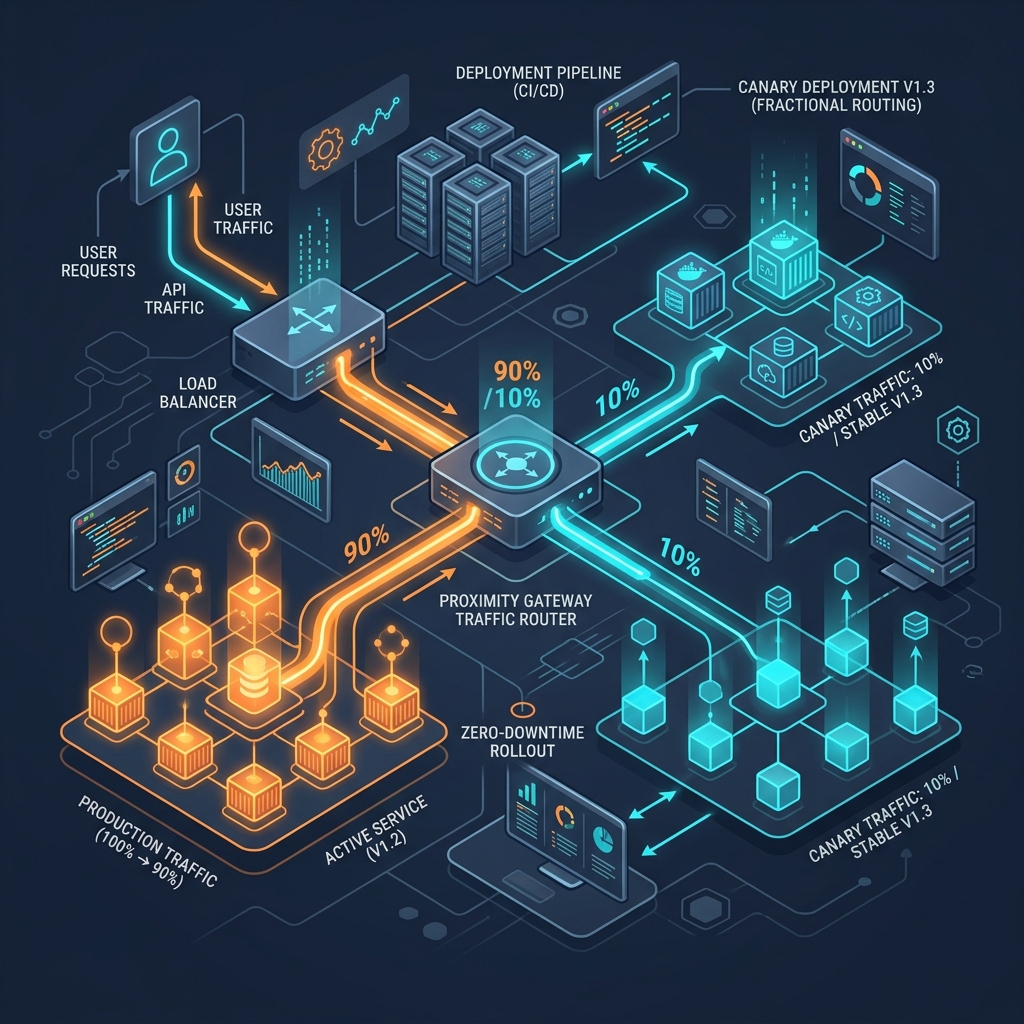
Staging went flawlessly. Everyone logged off happy. Then 3:15 AM hits, production is throwing 500s, and the on-call team is scrambling over Zoom trying to figure out which script broke the build. Here's why this keeps happening — and how automated canary rollouts stop it before it starts.

"It Worked in Staging" Usually Means Your Environments Already Drifted

"It Worked in Staging" Usually Means Your Environments Already Drifted

Comparing config files by hand at 9pm during an incident isn't a discipline problem. It's what happens when cloud-native tooling assumes ephemeral, identical environments — and yours are hand-built, patched over years, and held together by institutional memory.

Your Rollback Script Is the Least-Tested Code in Your Company

Your Rollback Script Is the Least-Tested Code in Your Company

'The deploy failed' is a bad night. 'The rollback also failed' is a bad year. If rolling back isn't as boring and reliable as rolling forward, you don't have a safety net — you have a hope.

Welcome to SafeDeployer Blog

Welcome to SafeDeployer Blog

Zero-downtime deployments, fractional canary routing, and automated container health monitoring made safe and effortless.